


Walk through the produce section and you can get the lay of the land at a glance. When a sign says dinosaur kale, the green thing under it is dinosaur kale. Everything is labeled, and you can tell which items are organic and which aren't. Head over to the supplement aisle, however, and cue the saloon music and tumbleweed: you've just entered the Wild West.

Why does the supplement aisle feel like the Wild West?
The labels whisper all kinds of promises: lose weight, stay young, "optimize your performance" (whatever that means). Part of the reason is how supplements are regulated. Under US law, the FDA does not have the authority to approve dietary supplements before they are marketed, and it generally does not approve label claims before they're used. The company that makes a supplement is responsible for making sure it is safe and labeled correctly. That puts more of the homework on you.
And plenty of us are doing that homework, or should be. In the most recent national survey data, 57.6% of US adults had used at least one dietary supplement in the past 30 days. Something we take every day, 30 or 31 days a month, deserves at least the scrutiny we give a box of cereal.
What do all those chemical names on the label mean?
Flip a multivitamin over and you'll find names like cupric oxide, pyridoxine hydrochloride and retinyl palmitate. It's a fair question: is this English?
Mostly, these names tell you the form a nutrient comes in. Cupric oxide is a source of copper; pyridoxine hydrochloride is a form of vitamin B6; retinyl palmitate is a form of vitamin A. A chemical-sounding name on its own doesn't make an ingredient good or bad, and "synthetic" isn't automatically worse. Folic acid, the form of folate used in supplements and fortified foods, is actually absorbed better than the folate found naturally in food.
What the names do give you is something to look up. Useful questions to ask of any label:
- How much is in it? Compare the amount with the Daily Value, and be wary of products that give far more than you need.
- Which form is it? Some forms of a nutrient are better absorbed or better tolerated than others.
- What else is in there? Look at the "other ingredients" line for added sugars, artificial colors, flavors and fillers.
What should you look for in a supplement?
Organic produce is popular for good reason, and people now read food labels as a matter of habit. Supplements deserve the same treatment. A few things are worth checking:
- Independent testing. Look for a brand that tests finished products for heavy metals, microbes and pesticides, and that will show you the results. Ours are on our testing standards page, and you can read the certificates of analysis for each product.
- A meaningful organic claim. A product labeled "organic" under the USDA program must contain at least 95% organic ingredients, excluding salt and water.
- Honest claims. A supplement can say it supports a normal body function. It shouldn't promise to treat, cure or prevent a disease.
- A short, readable ingredient list. If you can't tell what something is for, ask the brand.
If you're pregnant, nursing, managing a health condition or taking medication, check with your doctor or pharmacist before adding a new supplement.
Why did we start Ora?
We started Ora to raise the bar for quality and transparency in an industry that needs it: nutrients made with organic, plant-based ingredients, tested, and labeled so you can understand them. In the Maori language of New Zealand, ora means life, health and vitality. You can read more in our story.
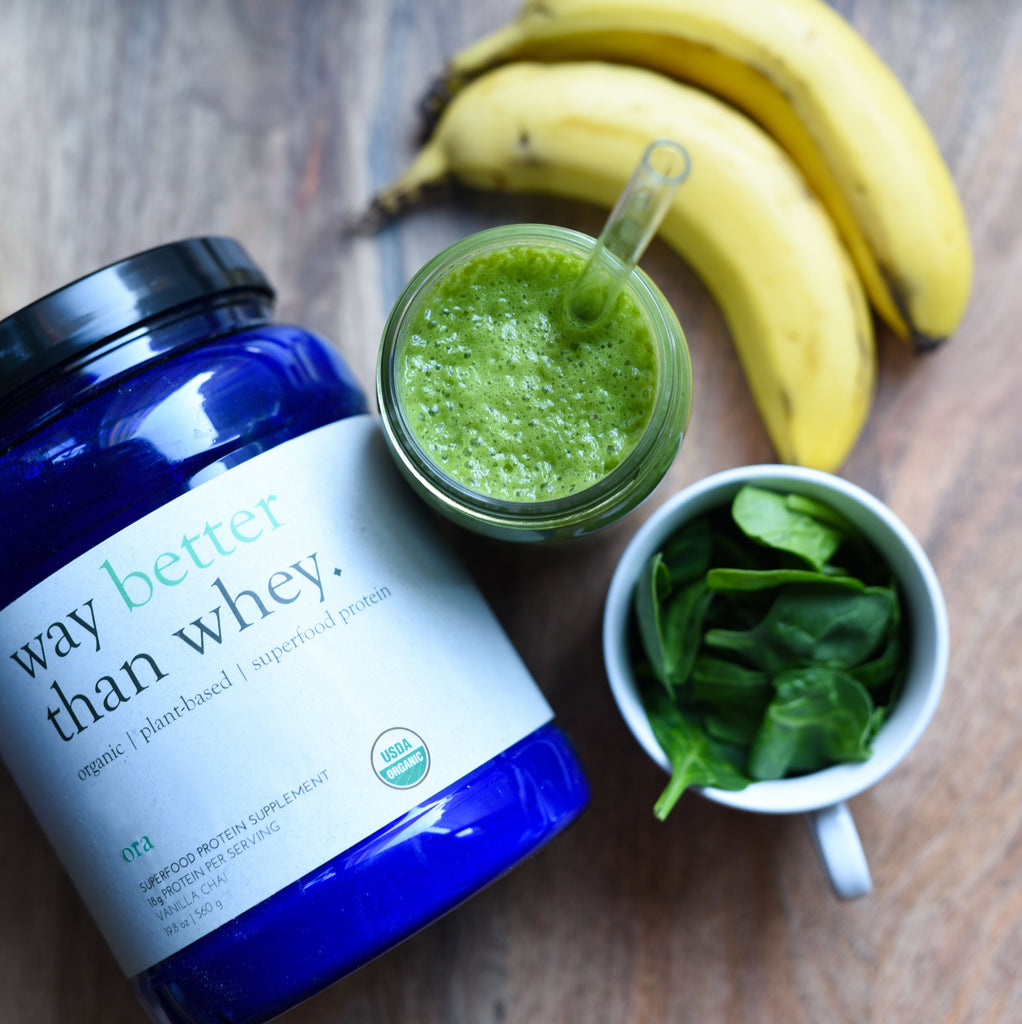
We also wanted supplements to be enjoyable, not just tolerable. That's why our protein, So Lean & So Clean, was developed by Chef Ron, who tested over 100 blends to get the taste and texture right. It delivers 23 grams of organic plant protein per serving from pea and rice, with no added sugar.
Why focus on protein, omega-3 and probiotics?
We focus on nutrients with a broad base of research behind them rather than rare herbs with little evidence. Omega-3 DHA, probiotics and protein are among the most studied. Our Head & Heart DHA omega-3 comes from algae rather than fish, and every batch is third-party tested for heavy metals and contaminants. Trust Your Gut pairs 20 billion CFU from seven studied strains with organic prebiotics.
Want to go deeper? Read what makes a protein powder "clean", what's really behind "natural flavors" on a label, and our look at quality problems in omega-3 supplements. And whatever brand you buy, keep reading the label.


