


Sugar is everywhere in the American diet. It's not just candy: added sugar turns up in bread, sauces, cereal, salad dressing and drinks that don't even taste sweet. Most of us know it isn't great for us, but how much is too much, where it hides and what it actually does in the body are easy to underestimate. Here's a plain guide.
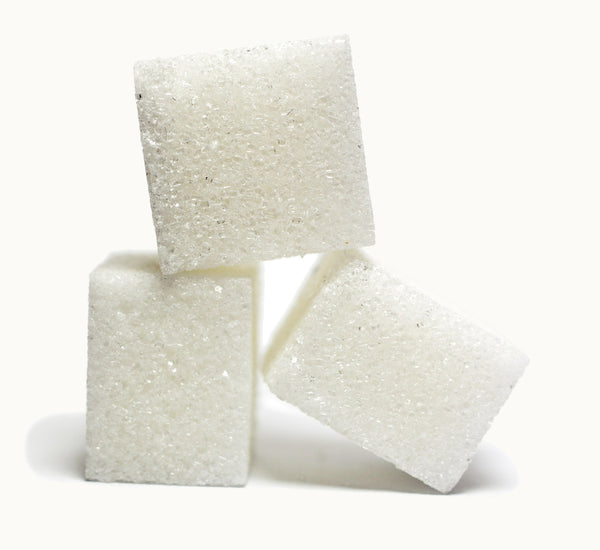
How much added sugar is too much?
The Dietary Guidelines for Americans recommend keeping added sugars under 10% of daily calories. On a 2,000-calorie diet that's 200 calories, or 50 grams, which is also the Daily Value printed on food labels.
The American Heart Association sets a tighter target: no more than about 100 calories a day (6 teaspoons) for most women and 150 calories (9 teaspoons) for most men.
Most of us are well over both. In national survey data from 2005 to 2010, the average American adult got about 15% of daily calories from added sugar, and more than 7 in 10 adults got at least 10%.
What is sugar, exactly?
Sugar is a type of carbohydrate, and it comes in a few forms:
- Monosaccharides (single sugars) include glucose and fructose.
- Disaccharides (two sugars joined together) include sucrose, maltose and lactose.
Glucose is the body's main fuel. Your cells burn it for energy, and your liver and muscles store extra as glycogen.
Fructose is found naturally in fruit and some vegetables, where it comes packaged with fiber, water, vitamins and minerals. It's handled mainly by the liver, and in large amounts from added sugars it can push the liver to make and store more fat.
Sucrose is table sugar: one glucose joined to one fructose. It's refined from sugar cane or sugar beets into white crystals that supply calories but no fiber, vitamins or minerals.
Why is sugar so hard to spot on labels?
Ingredients are listed in order of weight, so using several different sweeteners in one product lets each one sit further down the list. Since the Nutrition Facts label was updated, there's a clearer tool: an "Added Sugars" line with a percent Daily Value. Check that line first, then scan the ingredients for names like these:
- Agave nectar
- Brown sugar
- Cane sugar or evaporated cane juice
- Corn sweetener and corn syrup
- High-fructose corn syrup
- Crystalline fructose
- Dextrose
- Lactose
- Malt syrup
- Molasses
- Raw sugar
- Fruit juice concentrate

Where does added sugar hide?
Beyond desserts, added sugar shows up in salad dressings, marinades, crackers, cereals, pasta sauces, bread and many other packaged foods. But the biggest single source is what we drink. Across the U.S. population, sweetened beverages and sweet bakery products are the top two sources of added sugars, and a handful of food types supply most of the total.
Sugar in supplements
One place people don't think to look is the vitamin cabinet. Gummy and chewable vitamins, especially those made for kids, are often sweetened with sugars such as corn syrup, glucose syrup or cane sugar. That doesn't make every gummy a bad choice, but it's worth reading the Supplement Facts panel the same way you'd read a food label.

What does too much sugar do to your health?
Eating more added sugar than your body needs is linked with several of the most common chronic health problems.
Heart disease
In a large study of U.S. adults followed for a median of almost 15 years, people who got 25% or more of their calories from added sugar had nearly three times the risk of dying from cardiovascular disease compared with people who kept it under 10%. Even 10% to 25% was linked with about 30% higher risk. The link held after accounting for age, sex, physical activity and body mass index.
Weight gain
Sugary drinks add calories without filling you up much. In a study of schoolchildren, each additional daily serving of a sugar-sweetened drink was linked with 60% higher odds of becoming obese.
Fatty liver
Because fructose is processed mainly in the liver, a steady excess from sugary drinks and sweets can lead to fat building up there. Researchers now consider fructose and sugar a major driver of non-alcoholic fatty liver disease, and early studies suggest that cutting sugary drinks may reduce liver fat.
Type 2 diabetes
When cells stop responding well to insulin (insulin resistance), the pancreas has to work harder to keep blood sugar in range, and over time that can lead to type 2 diabetes. A meta-analysis of more than 310,000 people found that those drinking one to two sugary drinks a day had a 26% higher risk of developing type 2 diabetes than those who rarely drank them.

How to cut back on added sugar
- Read the Added Sugars line. Use the percent Daily Value to compare products, and watch for the many names sugar goes by.
- Start with drinks. Swapping soda, sweet tea and sweetened coffee drinks for water, sparkling water or unsweetened tea is the single biggest change for most people.
- Keep eating fruit. The sugar in whole fruit and vegetables comes with fiber, vitamins and minerals. The guidelines target added sugars, not whole foods.
- Check your supplements. Look for options with no added sugar or artificial sweeteners, and from brands that publish independent test results. Ora's are tested under our 5 Nation Standard.
- Go gradually. Cutting back a little at a time is easier to stick with, and your taste for sweetness tends to adjust.
Want to go further? Read about why sugar cravings feel so hard to beat, how blood sugar spikes and crashes affect energy and hunger, and our plant-based recipes.


