


You've probably heard that apple cider vinegar (ACV) is good for you. It has been used for centuries, and there's now a fair amount of research on it. Here's what's actually in it, which benefits hold up in studies and what to know if you'd rather take it as a tablet.
What makes apple cider vinegar good for you?
Apple cider vinegar doesn't contain many vitamins or minerals. Its interest comes from the compounds made as it ferments. Vinegar is made in two steps: yeast turns the sugar in apple juice into alcohol, then bacteria turn that alcohol into acids. The two you'll hear about most are:
- Acetic acid, the main active compound and the one behind most of the research below.
- Malic acid, the acid that gives apples (and many sour candies) their tart taste.
Does apple cider vinegar help with weight?
Modestly, and alongside a good diet rather than instead of one. In a 12-week randomized trial in Japanese adults with obesity, a daily drink containing 15 or 30 ml of vinegar reduced body weight, body fat, belly fat and triglycerides compared with placebo. A 2025 meta-analysis of randomized trials found small reductions in body weight, BMI and waist circumference, mostly in people with overweight or type 2 diabetes, over 12 weeks or less.
Part of the effect may come from fullness: adding vinegar to a bread meal increased how satisfied people felt afterward.
A friendly reminder: no single food or drink works miracles. ACV can play a small supporting role next to the basics of good nutrition and regular movement.
Can apple cider vinegar support healthy blood sugar?
This is where the evidence is strongest. A meta-analysis of clinical trials found that vinegar taken with a meal reduced the rise in blood glucose and insulin afterward, and a review of human studies describes how vinegar may slow the digestion and uptake of carbohydrates. Smaller post-meal spikes mean steadier energy, which is a goal for just about everyone. Our guide to why your blood sugar matters explains more.
If you take medicine to lower your blood sugar, talk to your doctor before adding ACV, since the effects can add up.
What about cholesterol?

A meta-analysis of randomized trials found that ACV lowered total cholesterol by about 6 mg/dL and lowered fasting blood glucose, but it didn't change LDL ("bad") or HDL ("good") cholesterol. That's a small effect, so think of ACV as one small piece of a heart-healthy routine rather than a fix.
Do ACV pills work the same as liquid?
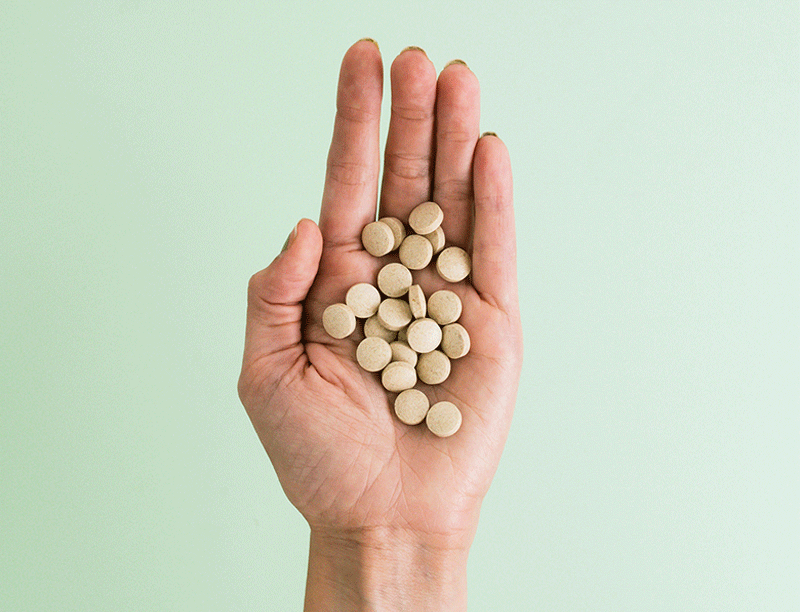
ACV tablets are made from dried vinegar, so they contain the same kinds of acids. But most of the studies above used liquid vinegar, and when researchers tested eight tablet brands they found big differences in acidity and acid content from one product to the next. Choose a brand that is clear about what it contains and is third-party tested.
The big advantage of tablets is your teeth: they don't wash enamel in acid the way a vinegar shot does. We compare the two forms in detail in apple cider vinegar pills vs. liquid.
Our Appley Ever After tablets are USDA Organic, include milk thistle and are small enough to swallow without chewing. Take two together at breakfast or lunch with a full glass of water.
Who should be careful with apple cider vinegar?
- People taking diabetes medicines, since ACV can add to their blood-sugar-lowering effect.
- People with slow stomach emptying (gastroparesis): in people with type 1 diabetes and gastroparesis, ACV slowed stomach emptying even more.
- Anyone with reflux, a stomach ulcer or trouble swallowing pills.
- Anyone who is pregnant or breastfeeding.
If any of these apply, check with your doctor first. You can browse our other options in metabolic health.


